In 2016, Mr. Caulfield met Mr. Wineburg, who suggested modeling the process after the way professional fact checkers assess information. Mr. Caulfield refined the practice into four simple principles:
Stop.
Investigate the source.
Find better coverage.
Trace claims, quotes and media to the original context.
Otherwise known as SIFT.
I had an argument/discussion with a really good friend yesterday about whether or not flu cases went down during the last year. I told her they went down because of our collective COVID precautions—wearing masks, social distancing, washing our hands—but she said it’s not true because they weren’t testing for influenza, so there’s no way of knowing for sure. She’s been against all the COVID precautions since the beginning, so I could understand where she was coming from. I still didn’t believe she was right, so I went online, found around ten sources for my claim that flu cases actually went down, and she said,
We don’t “believe” the same articles. We can both find ones that show what we agree with 🤣
I’m not sure if this SIFT method would’ve worked with her, but I find it useful for myself anyway. I also don’t know how to converse with my friends who don’t share the same definition of “truth” as me. Am I wrong? Is she wrong? Is there a balance? I have no idea.
But we’re still friends, and I’m fiercely loyal to my friends, even when we disagree.
Facebook is cigarettes… It’s Big Tobacco… They know its product causes harm and they keep minimizing the harm to keep selling product. #FacebookisCigarettes
Agree 100%. And over 2 billion people are addicted.
I love my very simple homescreen setup. Ember and Messages are the only apps that notify me. I need to know when my coffee is at optimal temperature!
I’m thinking through some things—questioning habits, rethinking workflows, expanding my thought domain—and I remembered I had this note that I used to use a lot before the coronavirus was a thing.
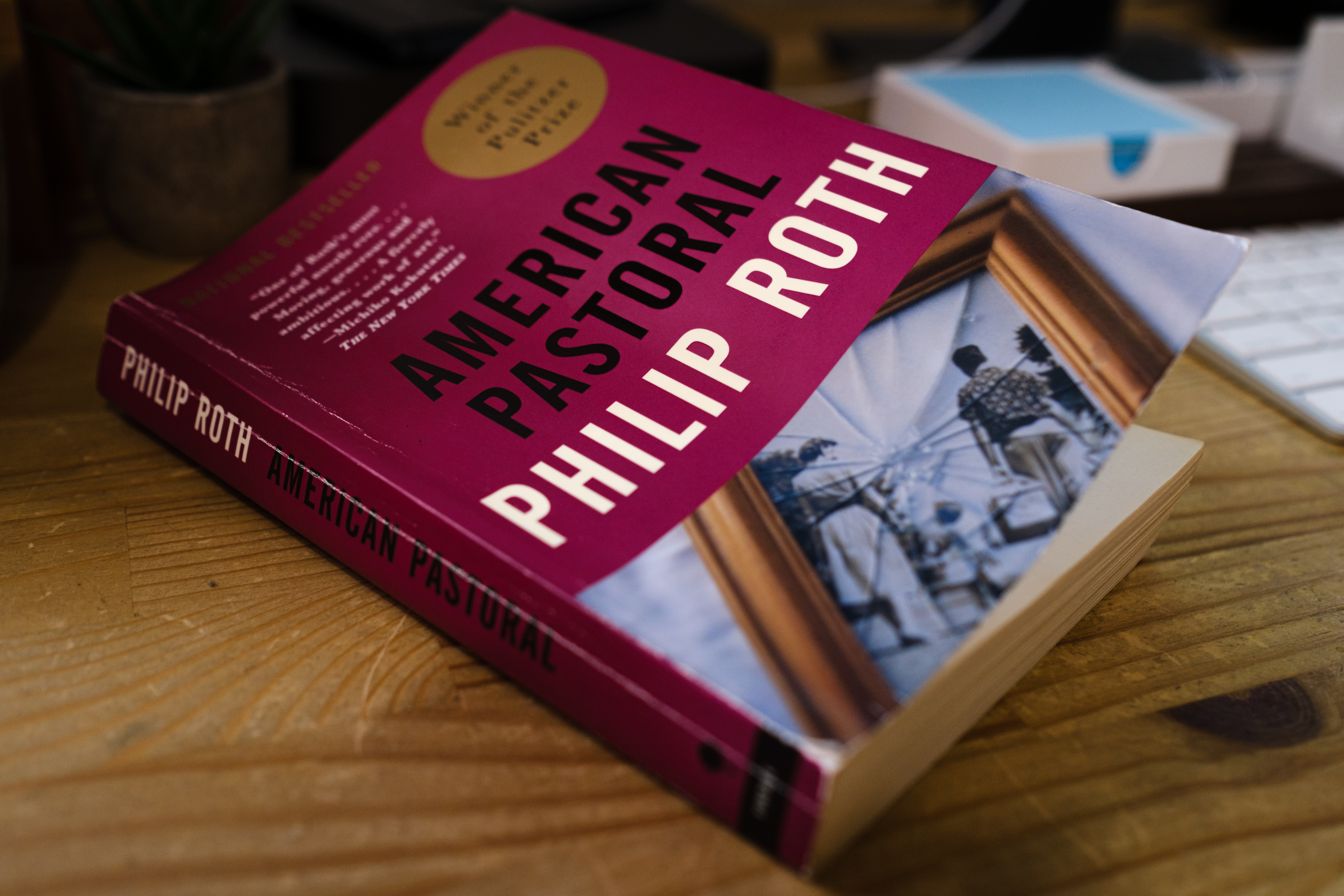
My productivity system is a single text file that I write in every day. I would like to write an article one day on it. I’m also reading through Cal Newport’s A World Without Email, a book that exemplifies confirmation bias for me.
There’s this mindset among many people online that I like to call app lust. It means this desire to try out the next great app because people think it’ll be the answer to their problems but in reality just serves as a distraction that gives the person a hit of dopamine. Each new app satisfies this craving, and they’re always on the lookout for the next hit. I used to be this way, and I’ve learned that I’m happier when I rely less on technology and on apps.
Anyways, I’m still thinking through these thoughts, but here’s the list I used before the coronavirus and something I hope to use more of today:
Does it scare the hell out of me?
Will it take me out of my routine?
Will it help other people?
Will I make friends?
Will I grow from this experience?
Would I do this regardless of money?
Will I regret not doing it?
Notes
I created a new tag: guitar. I went back and tagged a few older posts with it. I want to slowly start building an archive of notes and achievements on my site in regards to my guitar practice. I’m not sure what that will look like yet, but I’m excited to find out! So let’s go!
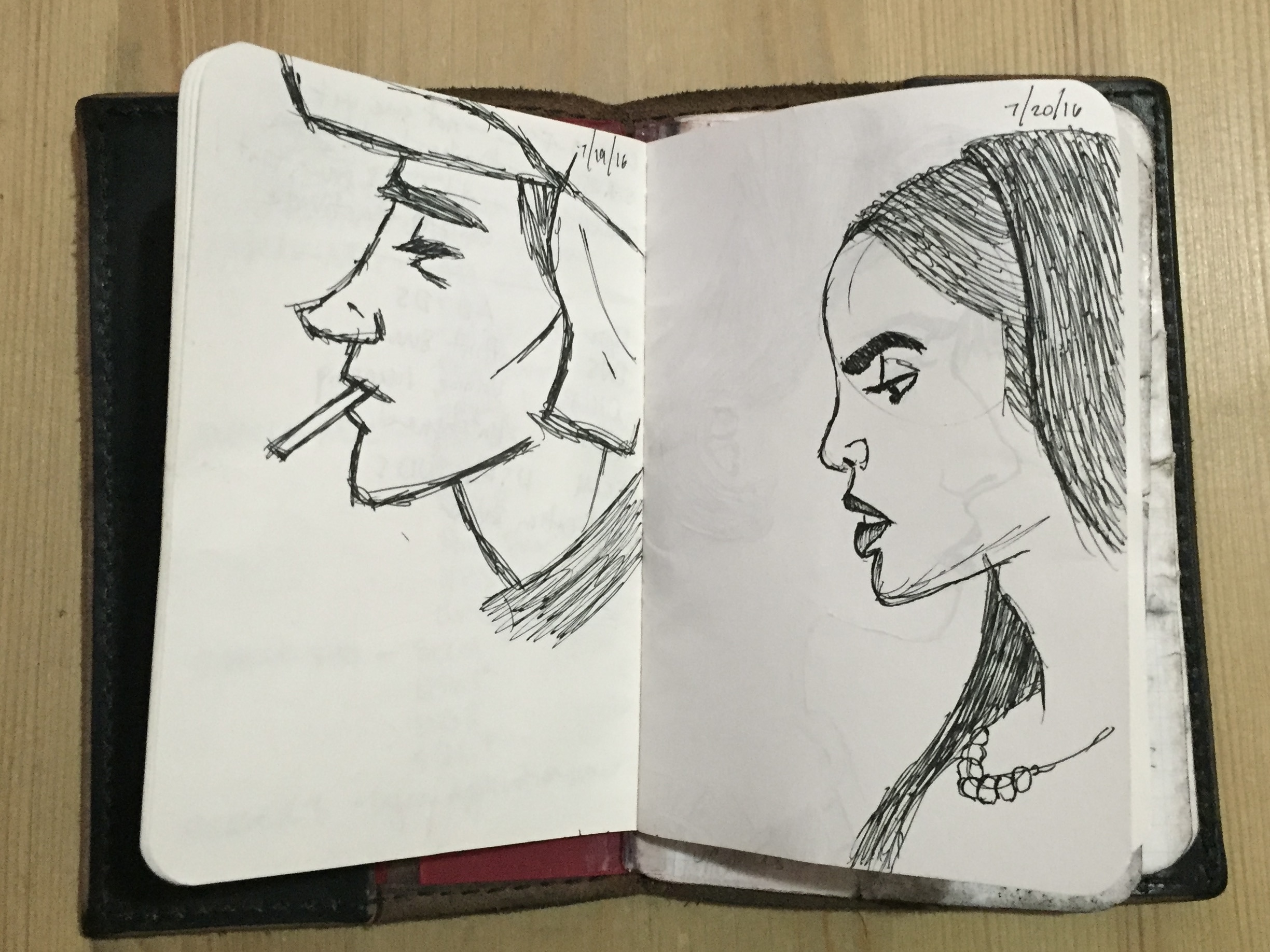
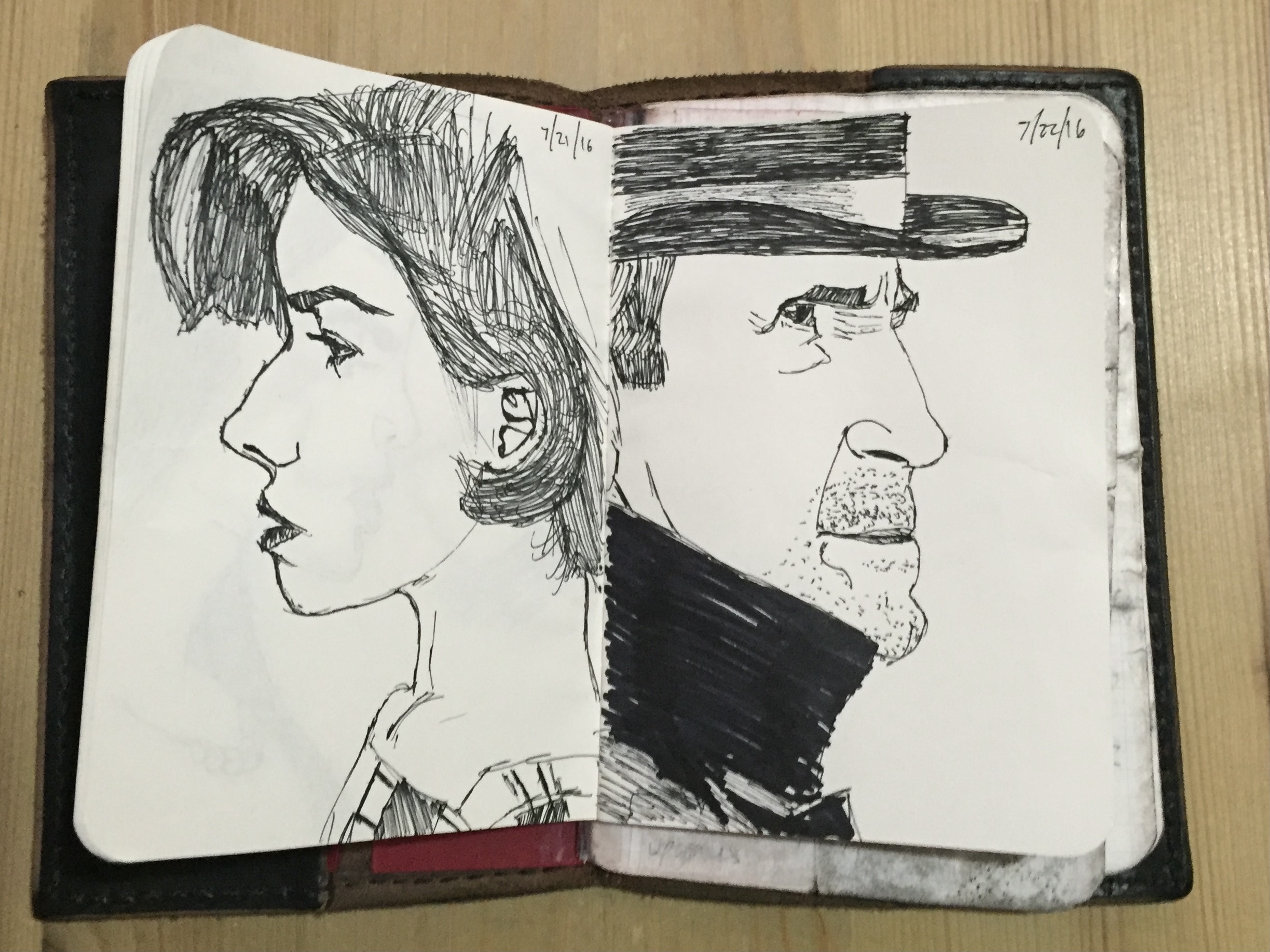
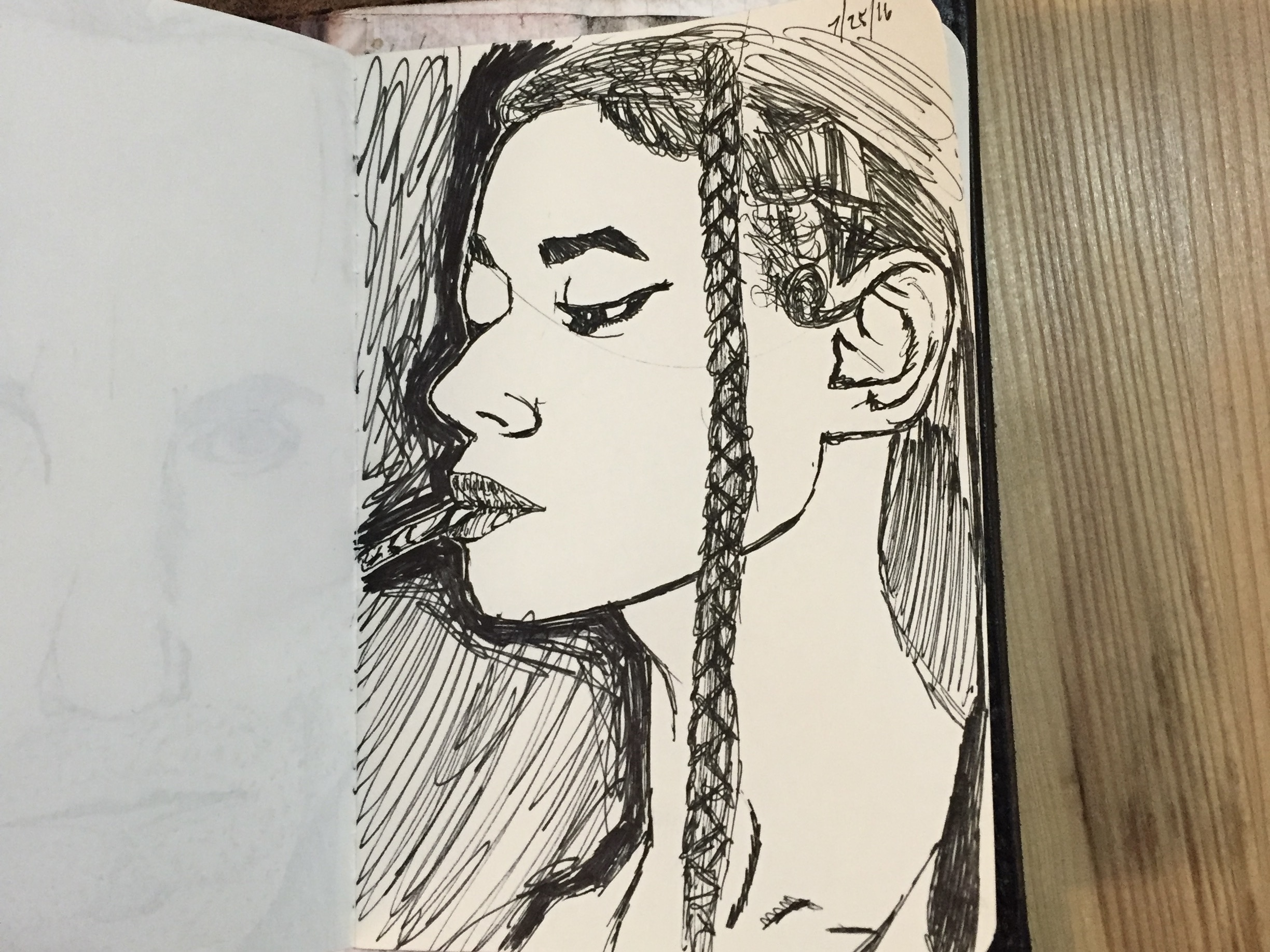
About four and a half years ago, in an effort to simply improve my artistic ability, I spent a week or two drawing portraits in an old notebook I had. The goal was to draw a face a day, and I really enjoyed the whole process. I do love drawing, but with anything that isn’t writing, I have a tough time knowing what to create.
This mini-project ended abruptly when I was called out to a fire, something that happened often during the summers. I didn’t get back into a normal routine that year until September, and because I had only spent a few weeks on this project, I hadn’t build up the routine in my system. So I never picked it up again.
Looking back at these sketches, I feel not only the pull to create again, but also the dreadful fact that time keeps marching forward, whether I like it or not. I remember doing these sketches like I did them yesterday, but these were done almost five years ago. What the hell!? Where did all that time go!?
But another thing I’ve learned by revisiting these sketches is how much of my life I’ve devoted and am still devoting toward creating stuff.
In college, after I intentionally hurt myself, I was required to see a therapist. I won’t go into too many details about this period in my life, but one of the things my therapist taught me was the skill of focusing my energies toward things that made me happy. At the time, I went to film school, so some of the things I did was to spend even more time writing and studying movies and volunteering in more of my friend’s film projects. I had a blast doing this, and once I graduated, I felt like I knew how to take care of myself for the first time in my life. My college paid for my therapy sessions, so once I graduated, my time with my therapist ended, too. It has been almost 13 years since I’ve seen her, and I owe so much to her that I feel like I literally would not be alive if it wasn’t for her.
In a way, she showed me who I was and who I could be. I focused on the person I wanted to be, so I worked until that version of me was the real me. I don’t know if it’s humanly possible to be the me in my head, but I feel like I’m infinitely closer to that version of me now than when I tried to hurt myself then.
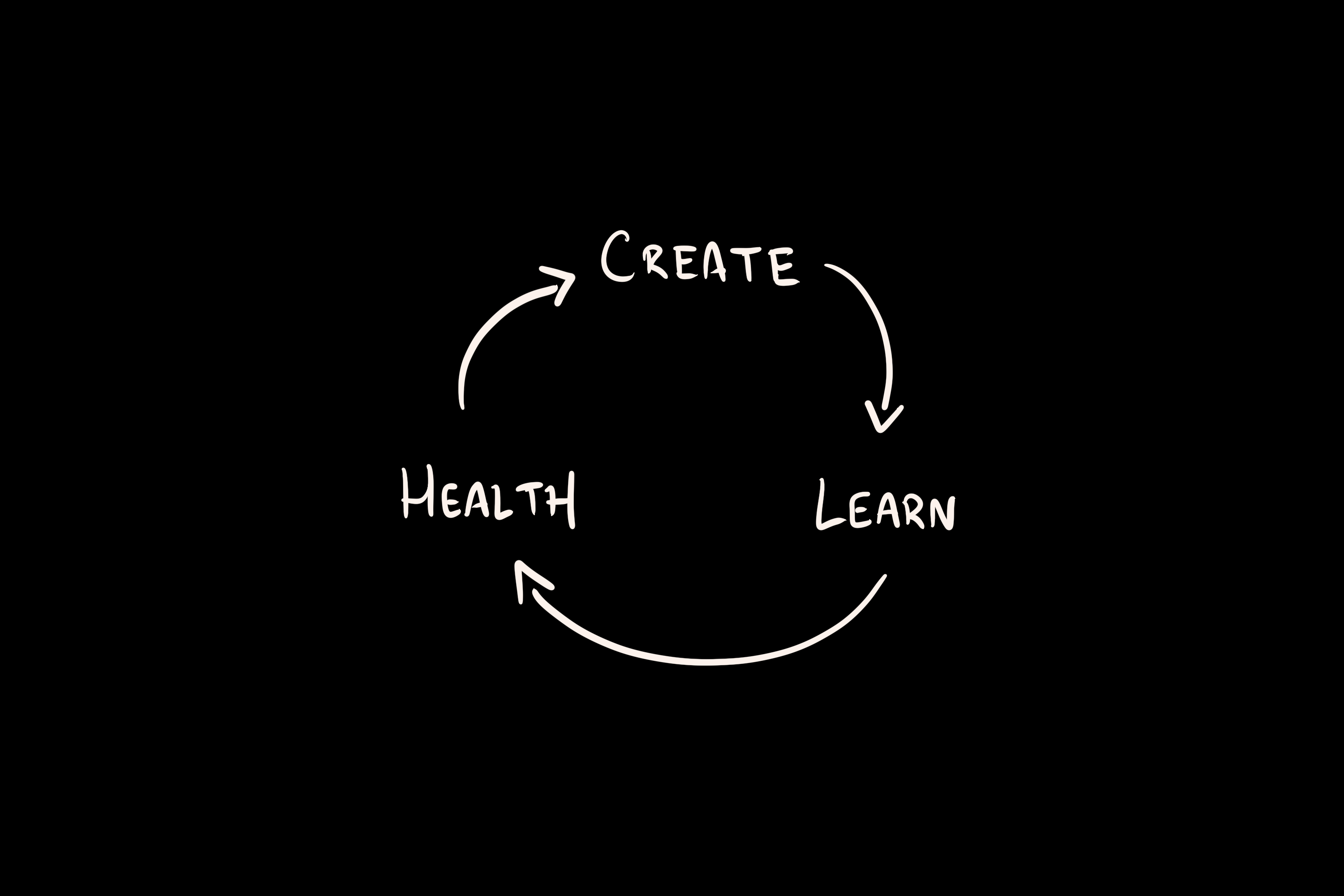
And I think some of what has helped me is what I call my three pillars. They’re super simple:
As long as I follow these pillars, I feel not only happy but also like I’m giving myself the weapons to fight off my demons, to fight off those forces that told me it was okay to hurt myself and to hurt others. Each pillar feeds into the next and is fed by the others, so it’s this ouroboros of happiness, at least for me.
So what does all this mean?
It means that for me to stay happy, I have to create things, and that means I write, I take photos, and I draw. I have to learn new things, and I do that by reading books, by learning new languages, and by playing the guitar. Eventually, I would like to make my own music, but for now, I’m still learning, and this is a very fun and very frustrating phase to be in. I have to keep pushing. Finally, I have to take care of my health, and I do that by eating well—I’m vegan—and by working out regularly. For me, health is the foundation for everything I do, and without it, the other two pillars won’t be enough to keep me happy. I have to workout. I have to sweat and feel the endorphins rush throughout my body because if I don’t, then I’ll be sad. It’s really that simple for me.
These pillars have led me well for a while, and I hope I have the strength to keep them standing for the rest of my life because the alternative is scary.
I’m kinda giddy that John Gruber’s favorite iOS writing app is iA Writer. It has been mine for years. I’ve tried Ulysses, Day One, Bear, 1Writer, etc., but nothing compares to iA Writer. All my writing gets done on it, and I do a lot.
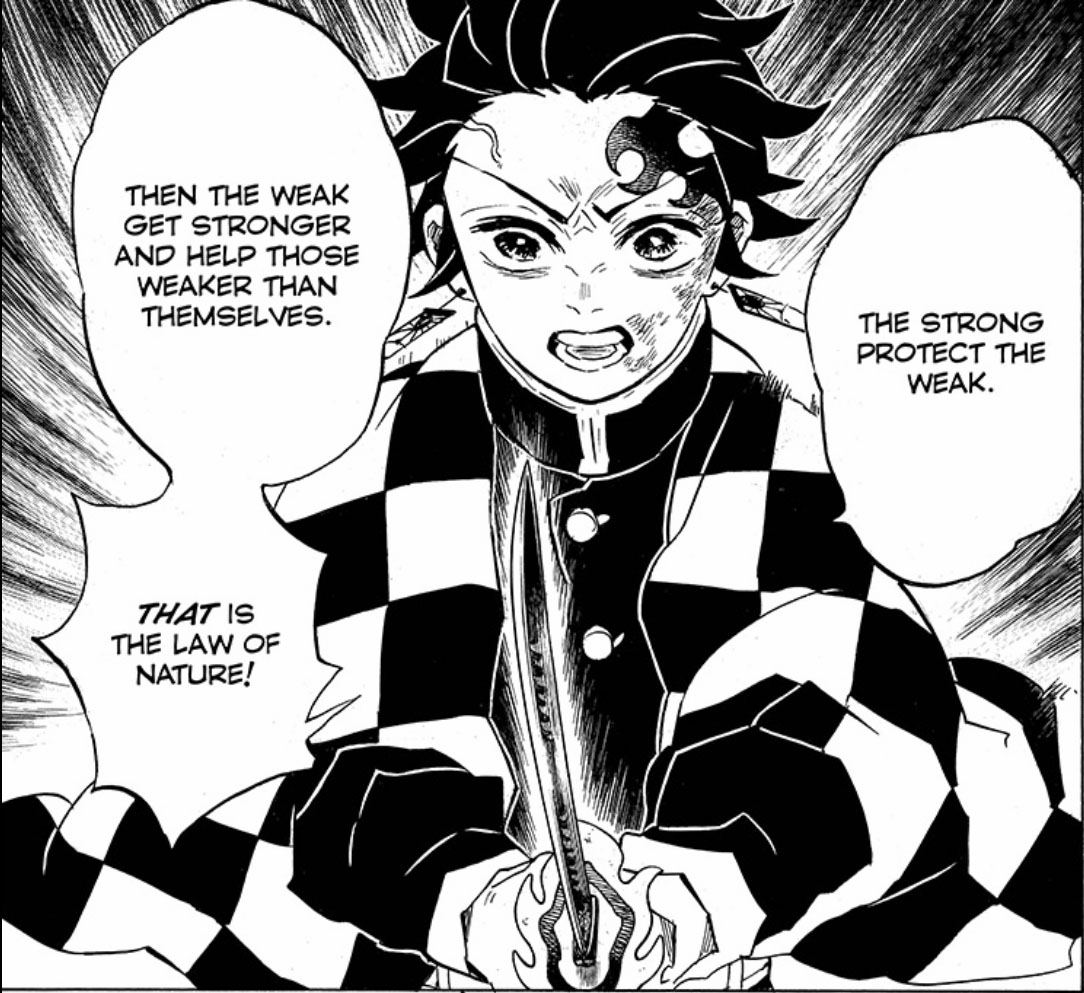
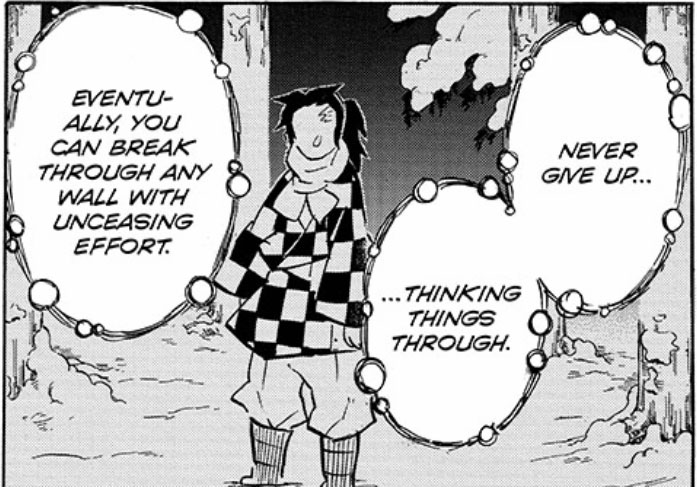
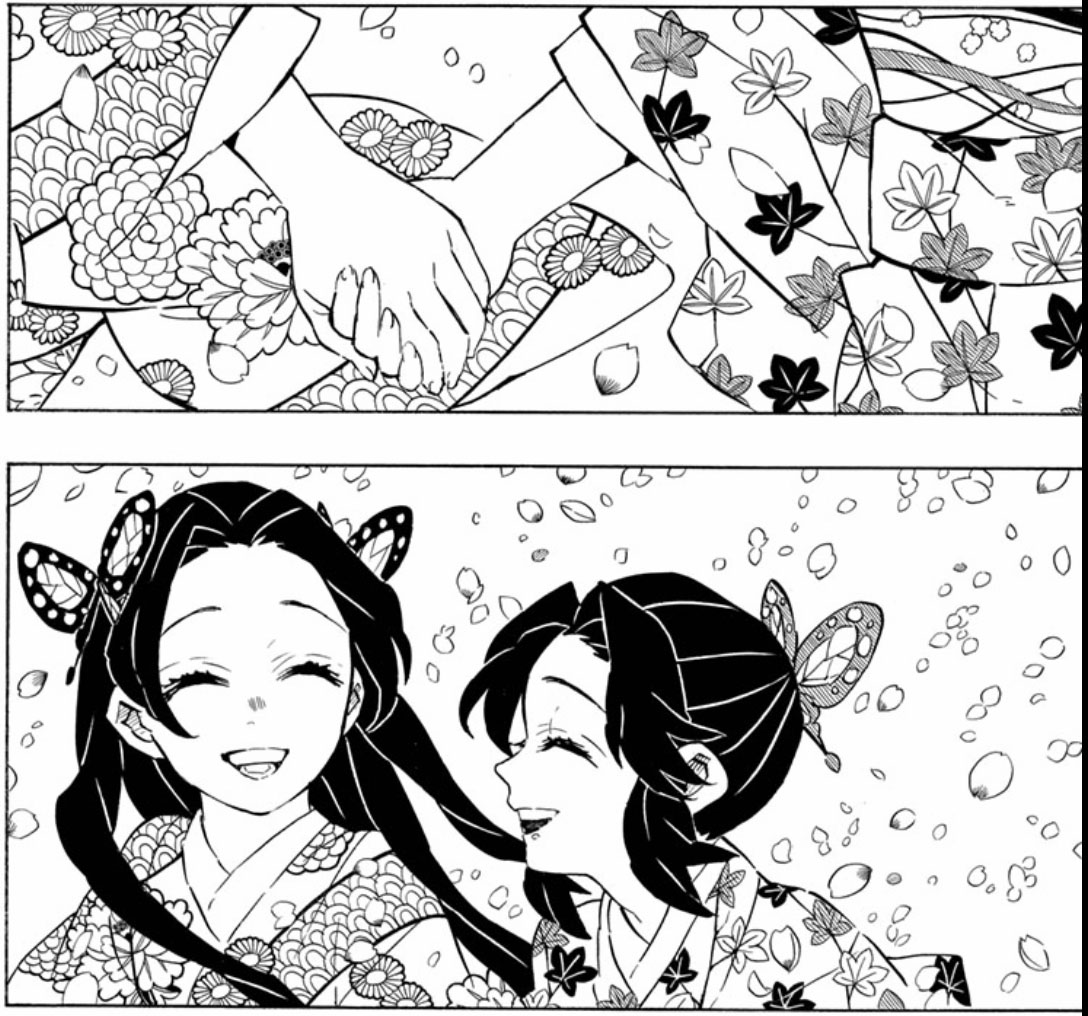
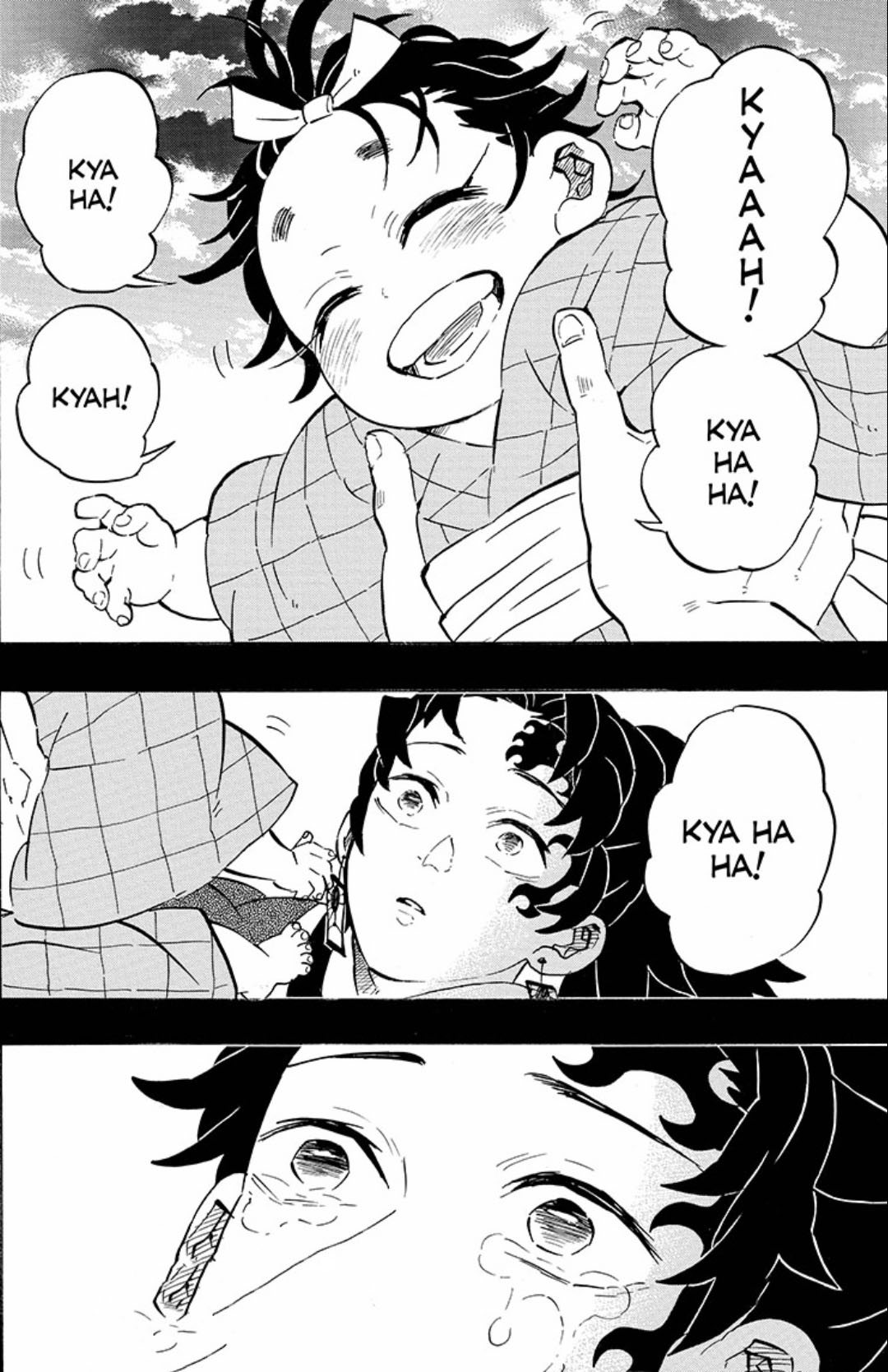
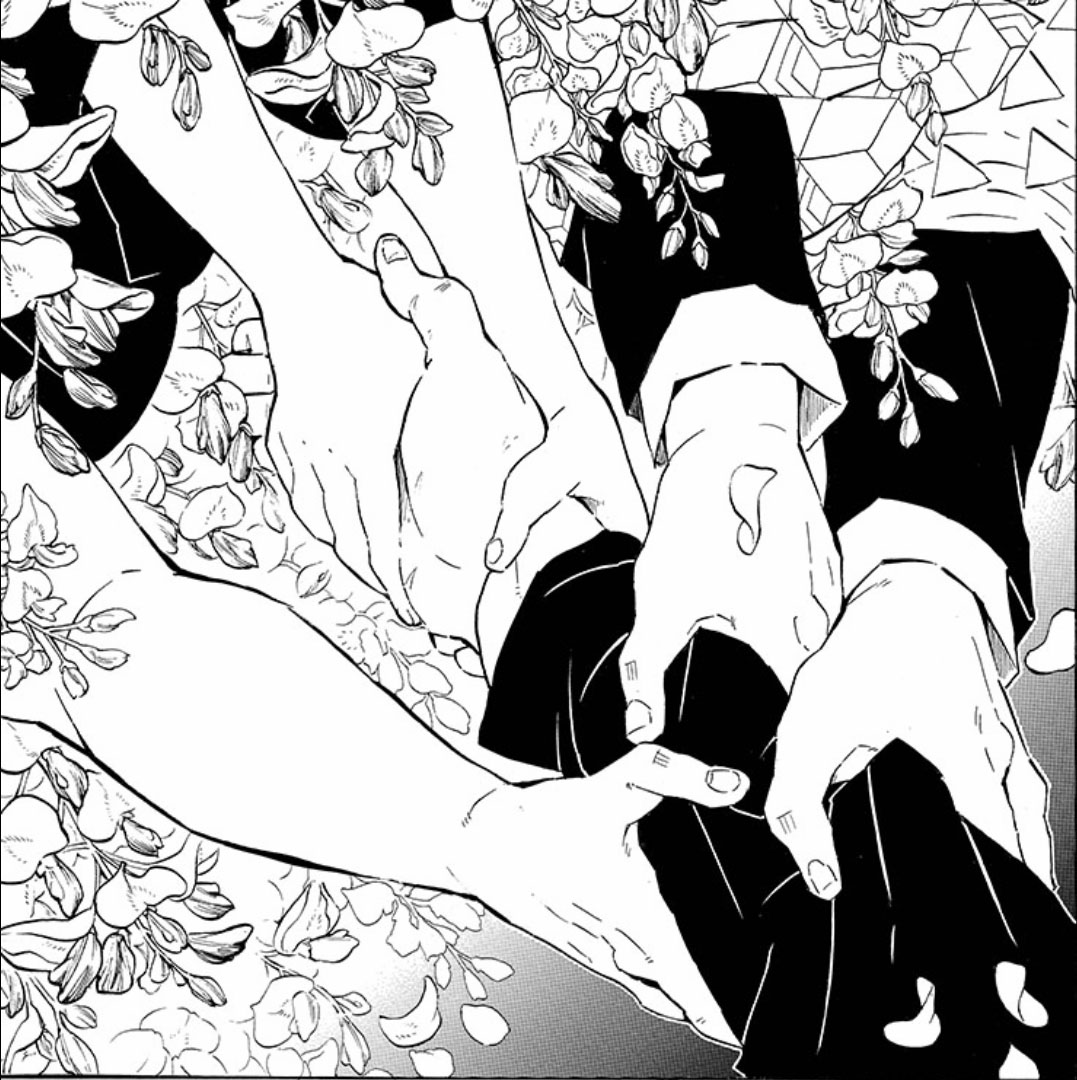
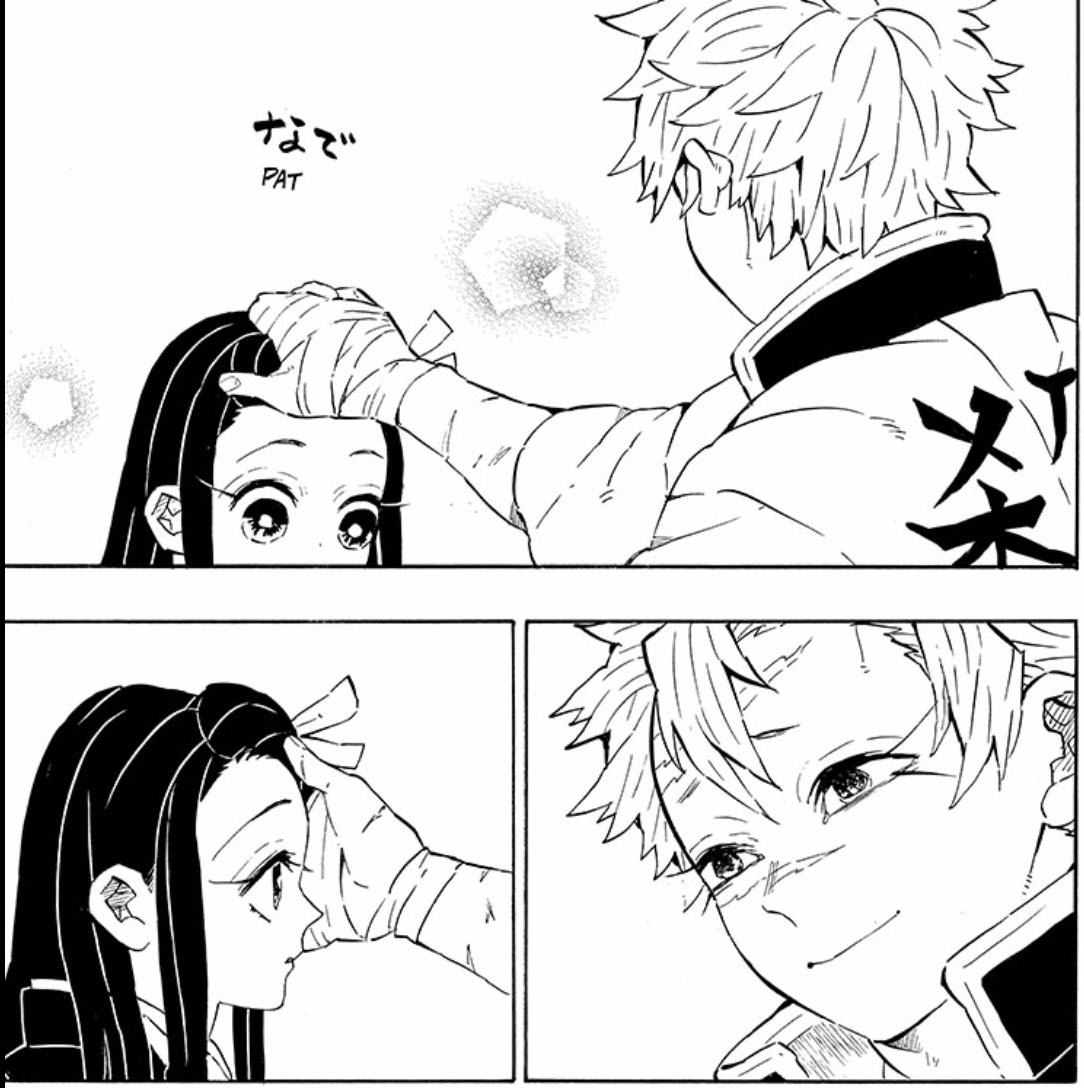
This morning I finished reading the last volume of Demon Slayer, a manga by Koyoharu Gotouge. Like many, I came into the series by watching the amazing anime first, which I loved, and the rest of the story told in the manga does not disappoint. I loved it.
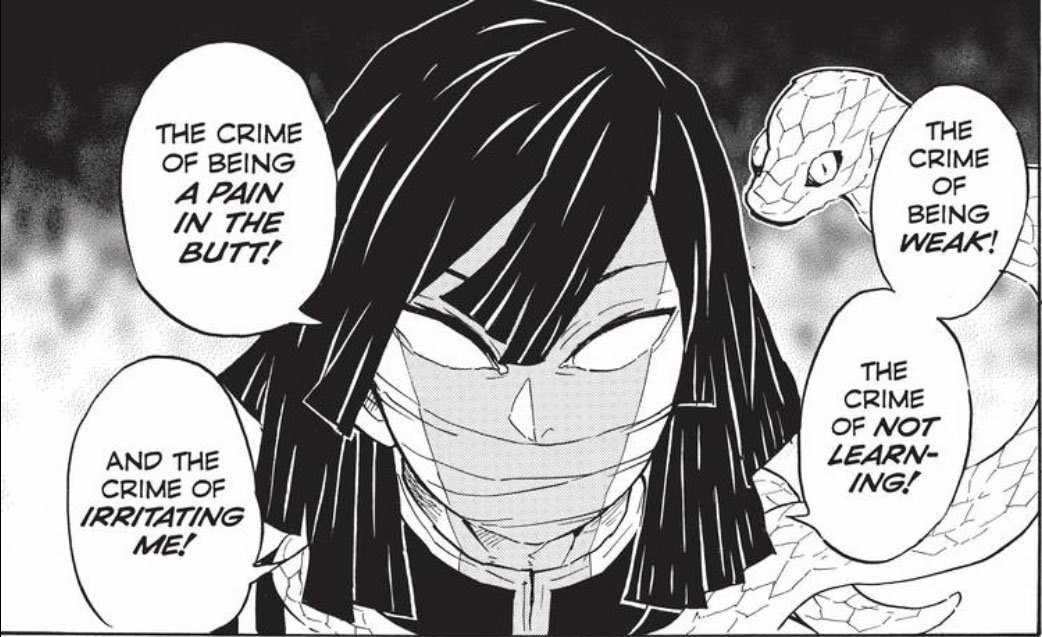
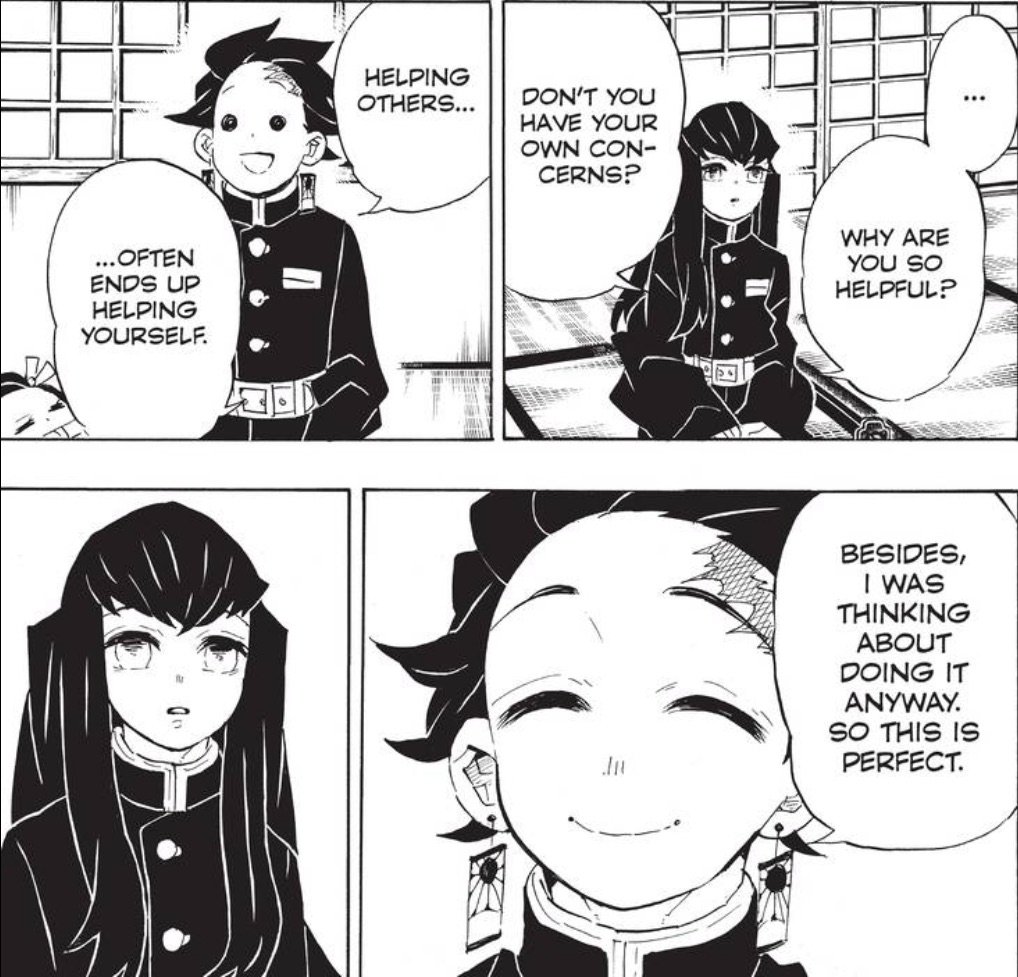
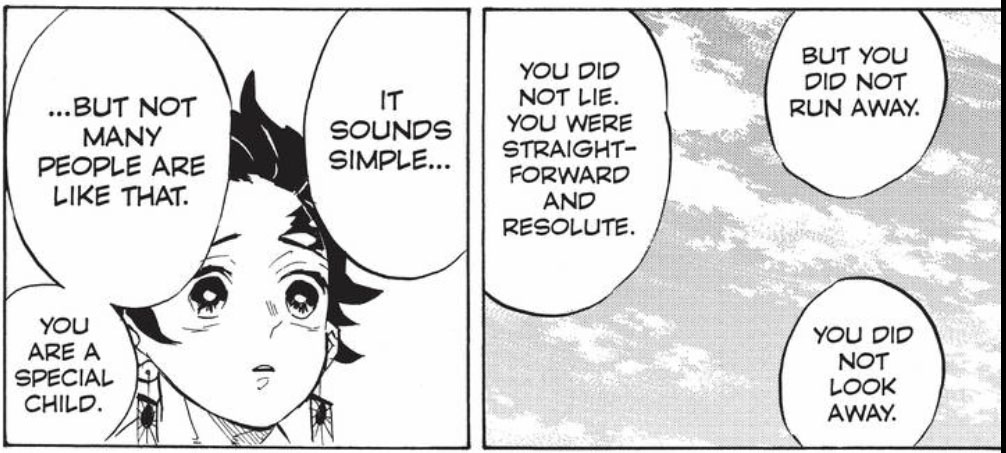
One thing I like to do is take screenshots of panels I particularly like. They can range anywhere from funny lines of dialogue, like the one above, to simple and quiet panels that pause time to show a beautiful moment.